
Ethiopia’s Plastic Bag Ban Puts the Market Under Pressure
Ethiopia’s Plastic Bag Ban Puts the Market Under Pressure
Regulation becomes real when it forces changes in how everyday buying actually works.
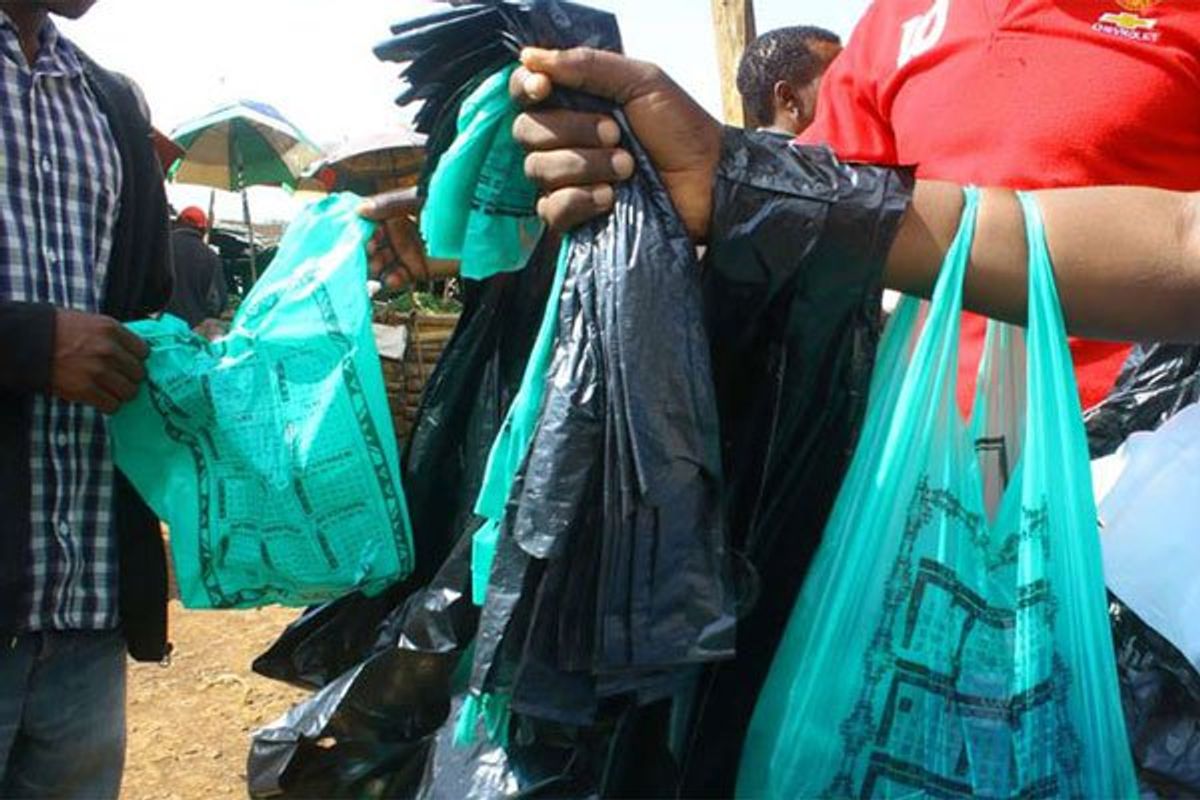
As of January 31, 2026, Ethiopia moved into enforcement of its ban on single-use plastic bags. According to the Environmental Protection Authority (EPA), the production, sale, and use of the targeted bags are now prohibited, with penalties falling more heavily on businesses than on individual consumers. In the first weeks of enforcement, the effects are showing up less in policy debate and more at shop counters.
Regardless of the environmental intent, the policy has crossed a threshold. It is no longer an announcement. It is a market condition. The checkout is where that condition resolves into either friction or flow.
This is how markets absorb regulation, and where value, risk, and failure start to show.
What changed at the counter?
Enforcement forces the market to adjust around new options: paper bags, non-woven alternatives, and reusables.
If these options are available quickly and, in enough supply, transactions return to normal. If they are not, prices rise, delays grow, and pressure moves downstream. Regulation does not remove demand. It shifts it. That shift either settles into routine or turns into resistance.
The shock people are feeling
For years, plastic bags were simply a part of doing business. Customers rarely thought about their cost. That sat inside shop margins, invisible on receipts.
Enforcement brings that cost into the open.
Once bags are priced separately, the market enters price discovery. What shows up first is delay: short arguments at the counter, confusion about options, hesitation over small amounts of money that were never discussed before.
At the same time, enforcement pushes risk beyond the counter. Shops now have to manage bags through purchasing, storage, and suppliers. Compliance now runs through the full packaging chain.
Who carries the pressure?
Whether staff can resolve the bag question in seconds or minutes determines how the policy is experienced in practice.
Where the alternative is always available, clearly priced, and easy to choose, the new behavior settles quietly. Where it isn’t, the checkout becomes the place where frustration accumulates and norms unravel.
Where the market struggles?
Ethiopia’s retail economy includes a strong informal layer, while enforcement naturally reaches formal shops first.
When bags are hard to find or unevenly priced in formal shops, informal sellers tend to absorb that demand, as seen in previous enforcement efforts in consumer goods.
Supply limits make this harder. Ethiopia imports over USD 200 million each year in paper and paperboard products, linking bag availability to imports, delivery time, and capacity. Current prices of paper and non-woven bags range from low double-digit birr to several tens of birr per unit. This wide range shows the market is not yet settled into a new balance.
Who manages the transition best?
In periods like this, operational discipline becomes a source of competitive advantage.
Shops that standardize bag supply, set prices before checkout, and keep the line moving face fewer disputes, lower staff stress, and steadier margins. When compliance is handled poorly, it feels disruptive. When handled well, it fades into routine.
Why clear rules matter?
Clear and consistent enforcement reduces uncertainty for businesses deciding how to source and price bags. It signals whether investing makes sense.
Clear rules encourage supply. Unclear rules slow it down. Unstable prices attract short-term fixes instead of long-term solutions. Paper converters, packaging importers, manufacturers, and financiers respond to demand that holds under rules that are applied consistently.
In markets like this, certainty matters as much as the rule itself, because it determines whether businesses invest or wait.
The point
Sustainability becomes culture only after it fits into daily life.
Ethiopia has moved from awareness to enforcement. What happens next will depend on whether bags are available, prices are clear, and counters keep moving.
If the checkout works, the culture follows.
By Boniat Tilahun
Head of Strategy, Footprint Communications